International Cooperation is built on agreements. It succeeds through relationships

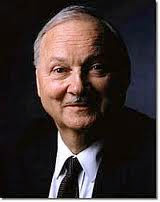
Guest blog: Lenni Montiel: Senior UN Development Leader (Ret.) | Former UN Assistant Secretary-General |UNDP Resident Representative | Governance, Public Policy & Multilateral Diplomacy | Leadership Advisor & Trainer | Chevening Scholar. Lenni writes on LinkedIn about the UN and international development. Originally published here.
I've watched technically perfect agreements collapse within months.
The problem was never the paperwork.I've seen informal understandings survive decades of political turbulence.
International cooperation is built on agreements.
It succeeds through relationships.
After years working with governments, development organizations, and communities as a UN Resident Coordinator and UNDP Resident Representative, I learned that cooperation follows the same pattern.
The formal agreement is just the beginning.
What determines success happens after the signatures.
👉 Trust compounds or erodes through hundreds of small interactions.
A delayed response to a request.
A promise kept during a crisis.
A consultation that should have happened but didn't.
A partner who shows up when it matters.
These moments rarely make it into evaluation reports.
Yet they often determine whether cooperation survives its first real test.
I remember a regional programme involving five countries.
On paper, everything aligned: shared challenges, committed governments, adequate funding, and a clear governance structure.
Within six months, it was barely functioning.
Not because of technical problems.
Because one delegation felt its concerns had been dismissed during a planning meeting.
That small fracture spread.
Other countries began questioning motives. Meetings became performances rather than conversations.
The breakthrough came from something simple.
The programme coordinator organized an informal dinner during a workshop.
No agenda. No minutes.
Just space for people to speak as people rather than representatives.
Trust began rebuilding from that meal.
This lesson has new urgency.
As OECD-DAC donors rethink development cooperation amid the current aid financing crisis, the conversation is increasingly focused on partnerships, country ownership, locally led development, mutual accountability, and co-creation of solutions.
All of these concepts ultimately depend on one thing:
Trust.
Not trust written into an agreement.
Trust built through relationships.
The strongest cooperation I have witnessed shares common elements:
• Partners can disagree without questioning each other's intentions
• Mistakes are discussed rather than hidden
• Credit is shared generously
• Difficult conversations happen early, before positions harden
• Local voices are genuinely heard and shape decisions
None of this appears in cooperation agreements.
Yet these are often the factors that determine whether cooperation becomes real or remains rhetoric.
What makes cooperation work in your experience?


Comments
Post a Comment